
BIOSCALE at ICRC 2026
The BIOSCALE group attended this year’s International CeBiTec Research Conference at Bielefeld University. The interdisciplinary program covered a broad range of research topics and approaches, providing valuable insights beyond our own fields of research. Jonas Lange and Nadja Henke presented their work in talks, while David Nickel and Nele Grünig contributed to the poster session. Throughout the conference, we had many valuable discussions and received new perspectives and input for our ongoing work.

Participation in the Himmelfahrtstagung 2026
KIT Division I was well represented at the Himmelfahrtstagung 2026: Nadja Henke and Alexander Grünberger attended the conference together with several colleagues. Nadja presented the talk “Transcriptional evaluation of the scale-up criterion kLa in Corynebacterium glutamicum chemostat cultures,” providing insights into current research activities.

µBVT at the 7th European Summer School on Microfluidics
From July 13 to 17, 2026, Alexander Grünberger and Cosima Schlichtig participated in the 7th European Summer School on Microfluidics at University College London. The course focused on microfluidic technologies and combined scientific lectures, hands-on laboratory training, poster sessions, and opportunities for exchange. As part of the international expert team, Alex introduced participants to the applications, methods, and experimental possibilities of microfluidic single-cell cultivation. Together with Cosima, he also led laboratory sessions covering the typical workflow, including chip fabrication, design selection, cell loading, and microscopic observation. The Summer School provided valuable practical experience and opportunities to exchange ideas, discuss research, and build scientific networks within the European microfluidics community.

Symposium on Single-cell analytics and Heterogeneity
In July, Cosima Schlichtig, Yannick Scholz, Judith Wegmann, Johannes Seiffarth and Alexander Grünberger attended the 3rd Berlin-BIOTECH Symposium about single-cell analytics and heterogeneity in Berlin.
The symposium offered an excellent opportunity for scientific exchange, bringing together researchers from different backgrounds to discuss current topics, share ideas, and establish new connections. Yannick, Judith and Johannes presented their research in scientific talks, while Cosima showcased her work in a poster presentation. The contributions sparked many engaging discussions and provided valuable feedback and new perspectives for the team’s ongoing projects. Overall, the conference created a stimulating environment for exchange and networking across different research backgrounds and projects!

Group excursion to the climbing forest
Yesterday, our group spent a great day together in Kandel. We visited the climbing forest, where many team members stepped out of their comfort zones and faced their fear of heights. All did very well!
Afterwards, we cooled down at the nearby forest swimming pool and ended the day with pizza. It was a wonderful team event full of fun and team building.

Writing Retreat at the German North Sea Coast
Last week, the BIOSCALE group spent a few days at the German North Sea coast for a writing retreat. The retreat focused on improving our scientific writing and creating dedicated time for focused writing sessions. Throughout the week, we made good progress on our individual projects and learned a lot about the writing process itself - from structuring ideas to giving and receiving feedback. Beyond the writing sessions, we enjoyed spending time together as a team, including walks along the beach and a round of adventure golf. We thank YIN for supporting this retreat and making this week possible.
New publication on the establishment of single-cell minimal media
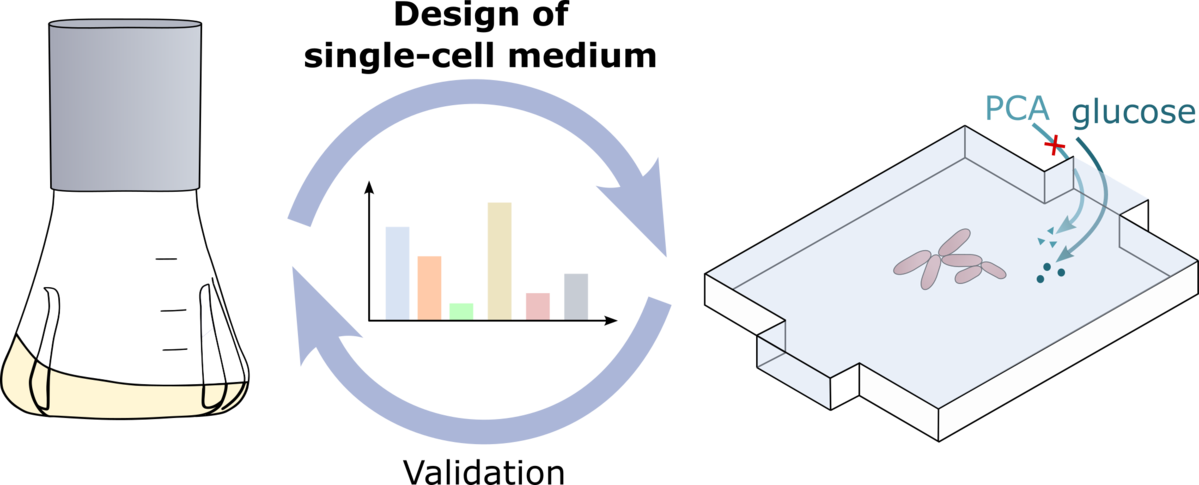
We are happy that a new article was published by Judith Wegmann, Matthias Pesch, Juliane Zwoch, Andreas Schmid, Dietrich Kohlheyer, and Alexander Grünberger in Biotechnology and Bioengineering. The paper presents the establishment of a single-cell minimal medium for microfluidic cultivation of Corynebacterium glutamicum. We developed a revised minimal medium, termed single-cell CGXII, which enables robust and reproducible investigation of cellular physiology at single-cell resolution and contributes to improved experimental accuracy and comparability. The study shows that conventional bulk media are not always directly transferable to microfluidic single-cell cultivation and highlights the importance of scale- and mode-adapted media for quantitative single-cell studies. Read more: here.
Workshop on Microfluidic Single-Cell Cultivation and Flow Cytometry at µBVT
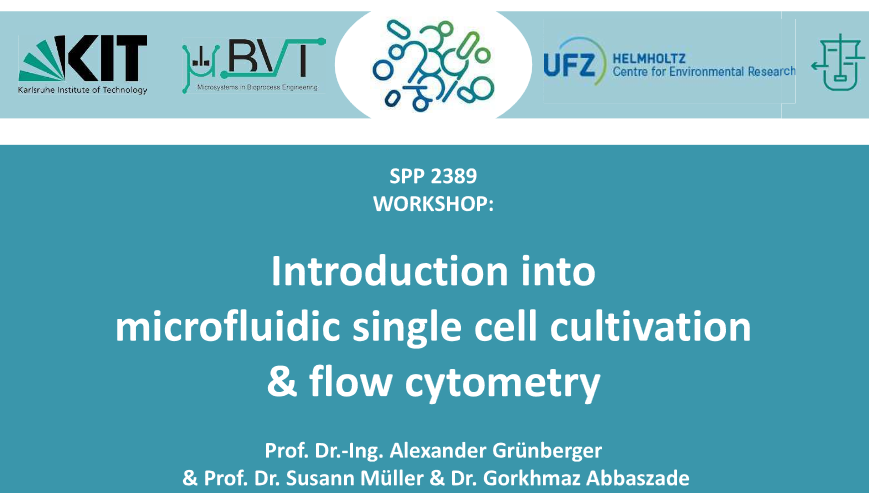
At the end of March 2026, µBVT hosted the workshop “Introduction into Microfluidic Single Cell Cultivation & Flow Cytometry” as part of a DFG-funded program. Led by Alexander Grünberger, the first part of the workshop introduced participants to the fundamentals and applications of microfluidic single-cell cultivation, including live-cell imaging and hands-on work with the cultivation systems. In the second part, Susann Müller (UFZ) presented the basics and potential of flow cytometry, followed by a practical session with Gorkhmaz Abbaszade (UFZ) using flowCHIC and CyBar for cytometric data analysis and visualization. Beyond the scientific program, the workshop also offered valuable opportunities for exchange and networking across different research backgrounds and projects.
Participation in the VAAM Annual Conference 2026 in Berlin
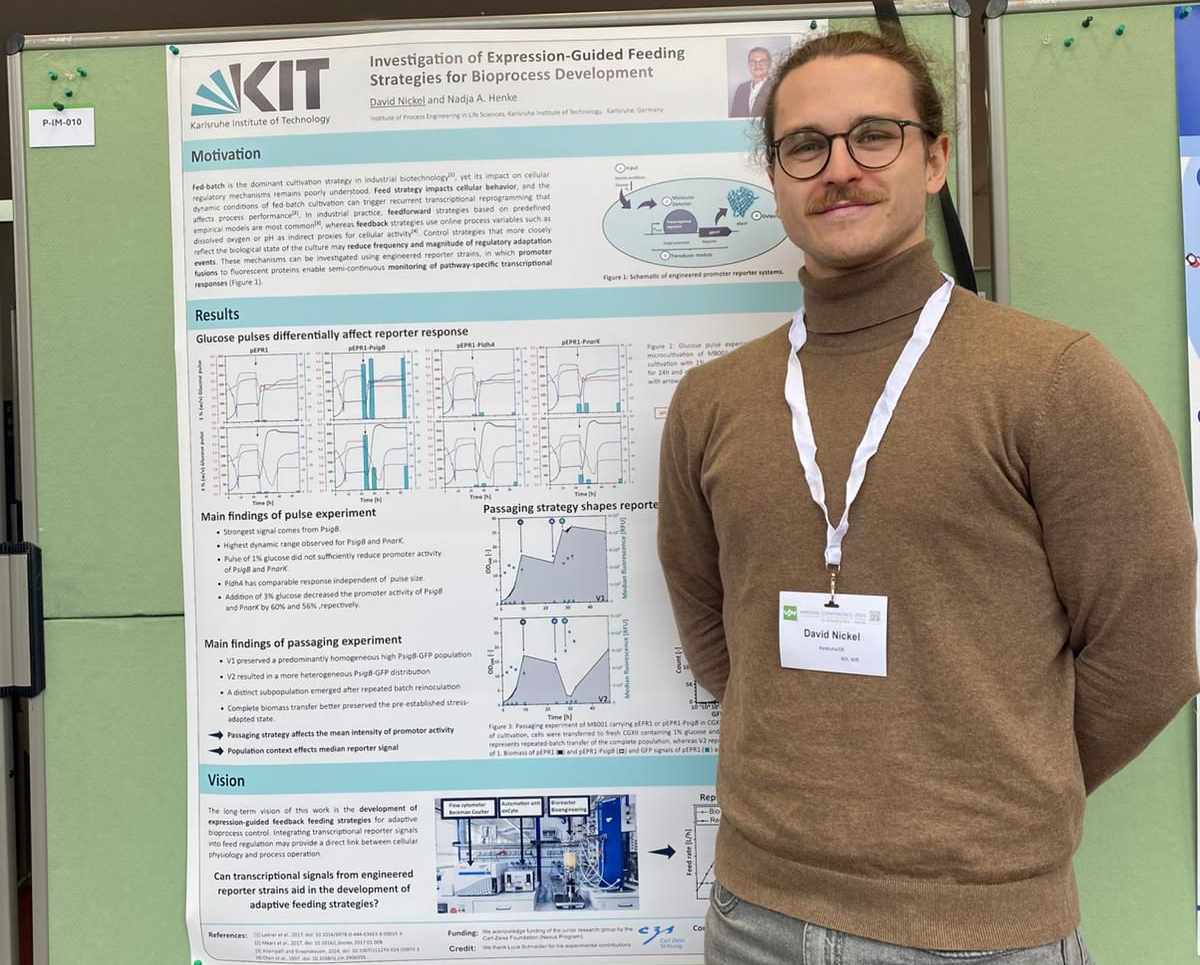
Last week, David Nickel and Nadja A. Henke attended the VAAM Annual Conference in Berlin.
The conference provided an excellent opportunity for scientific exchange with the microbiology community, including discussions on current research topics and networking with peers. David presented his work during the poster session, where he received valuable feedback and engaged in many insightful discussions.
We thank everyone who visited the poster and contributed to these exchanges. We look forward to integrating the new ideas and perspectives into our ongoing research.
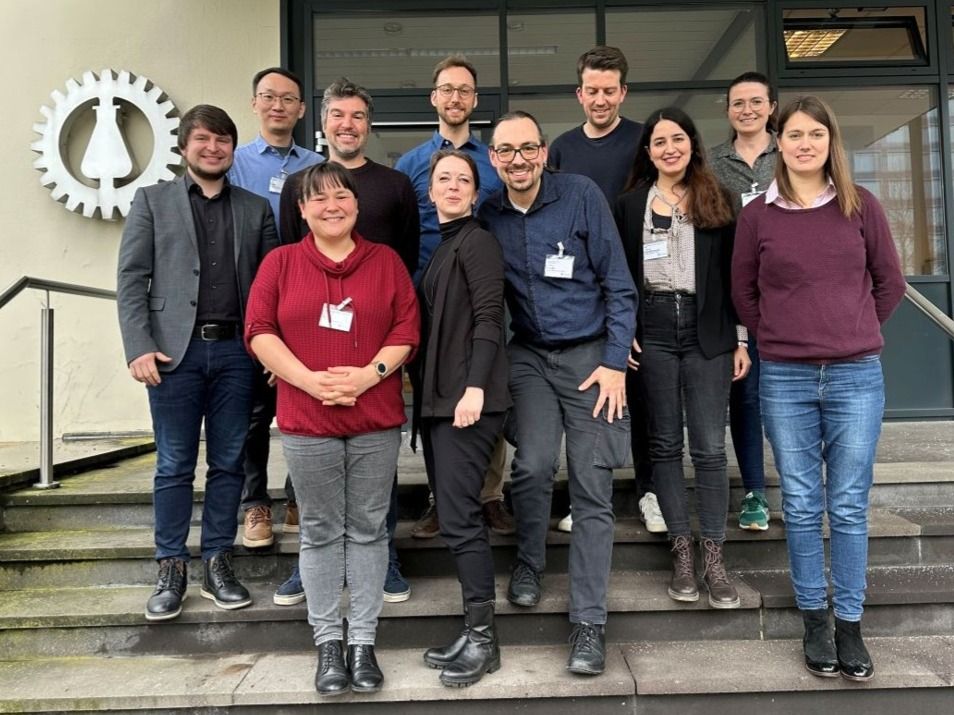
Nadja A. Henke New Member of the Zukunftsforum Biotechnologie

New Publication on Transcriptomics in Bioprocess Engineering
Nadja Henke and Alexander Grünberger have published a new paper on the use of transcriptomics to decode and optimize bioprocesses. The review summarizes the current state of RNA-Seq–based approaches and highlights their value for strain characterization, process optimization, and understanding cellular responses under industrial conditions. This study resulted from a great collaboration with Boas Pucker (University of Bonn).
Read more here.
New Article has been Published
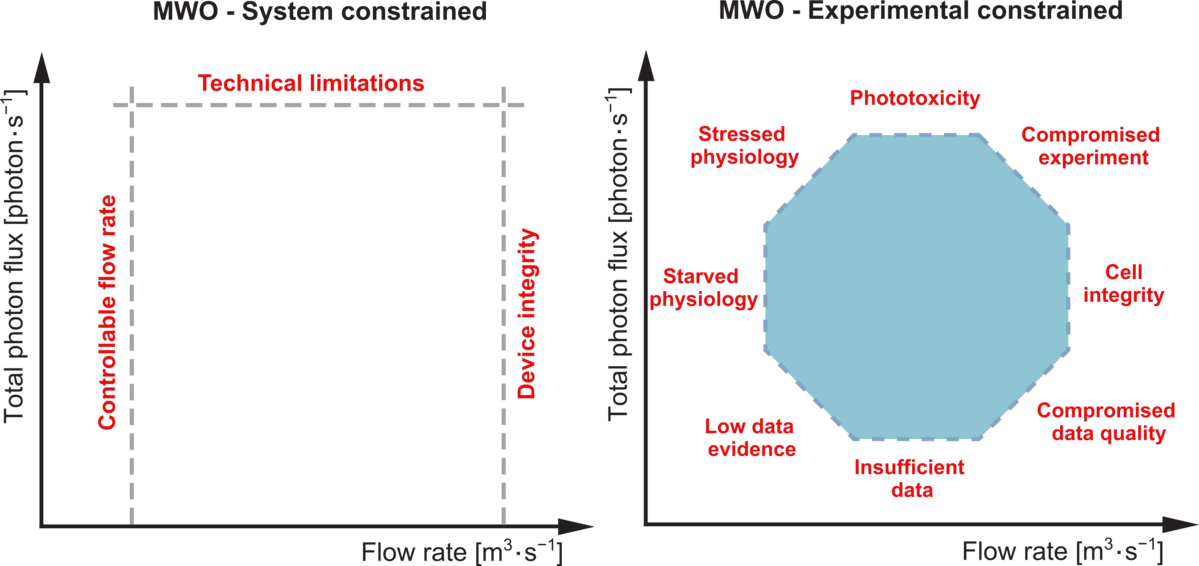
We are happy that a new article from our research group was published by Yannick Scholz, Boris Yermakov and Alexander Grünberger in Current Opinion in Biotechnology. The paper introduces the concept of Microfluidic Windows of Operation (MWOs), adapting an established framework from bioprocess engineering to microfluidic single-cell cultivation systems. The proposed approach supports early-stage experimental design by systematically linking operating parameters with biological and technical constraints. By making key parameter interdependencies visible, MWOs aim to improve experimental robustness, enable more rational system design, and enhance comparability between microfluidic platforms.
The work contributes to advancing robust microfluidic experimentation and provides practical guidance for both new and experienced users of microfluidic single-cell cultivation systems. Read more: open access

Christmas Party 2025
To wrap up the year, we went bowling together and enjoyed a meal as a team. Before that, we made sure our labs were thoroughly cleaned and ready for a fresh start. We wish everyone a wonderful Christmas and relaxing holidays. We’re already looking forward to the exciting projects awaiting us in the coming year.
Group Retreat in Annweiler am Trifels
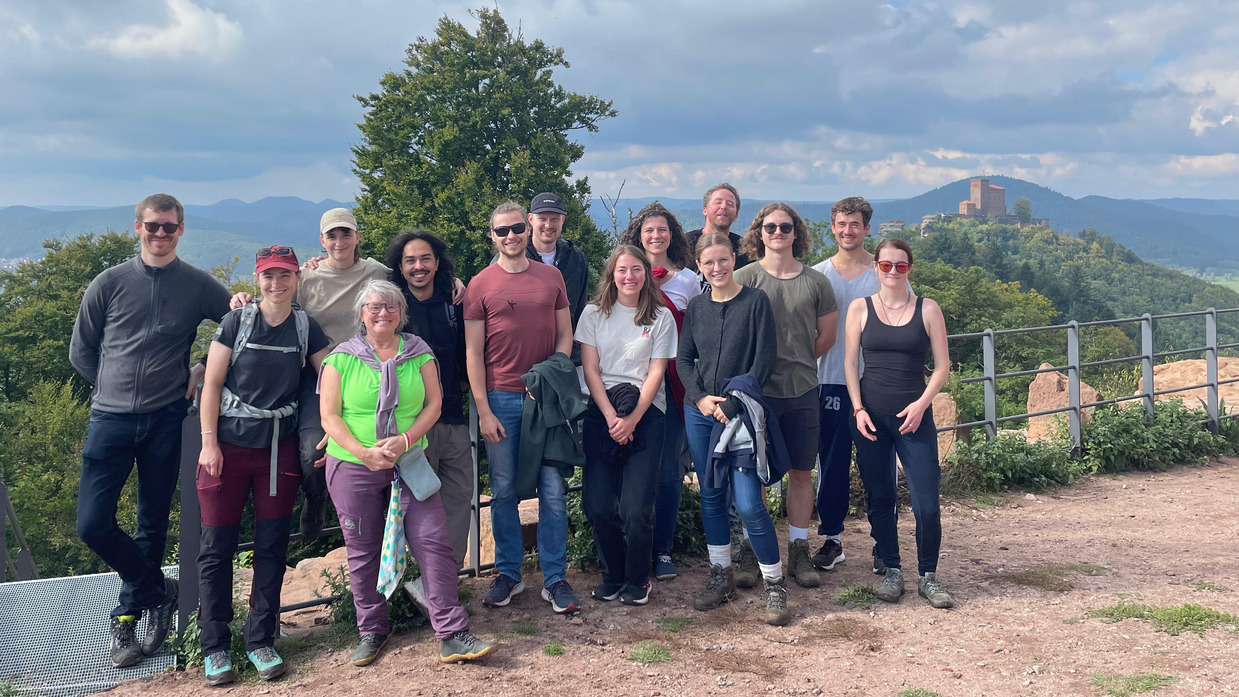
Last month, our research group spent a few days in the mountains of Annweiler am Trifels for our first retreat. Being away from the lab created time to talk about ongoing projects and share thoughts. Alongside the presentations and discussions, we enjoyed a hike through the autumn landscape and some good food. The quiet surroundings made it easy to step back and look at our work from a different angle. We’re already looking forward to next year.
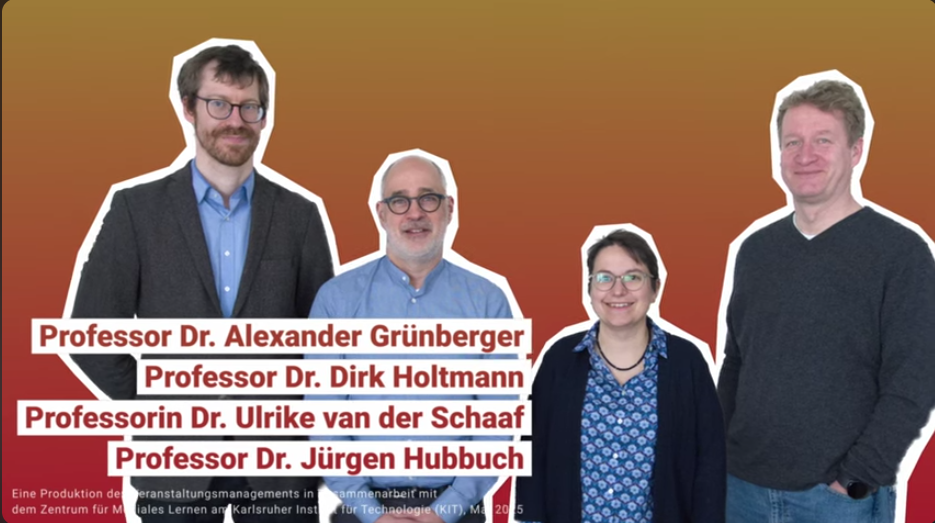
Faculty Teaching Award 2025 for Alexander Grünberger
Alexander Grünberger received the KIT Faculty Teaching Award in 2025. Together with Ulrike van der Schaaf, Dirk Holtmann, and Jürgen Hubbuch, he was honored for the redesigned lecture “Introduction to Bioengineering” at the Faculty of Chemical and Process Engineering. The team fundamentally restructured the course, closely linking theoretical foundations with practical, application-oriented examples. This approach provides students with a hands-on introduction to key topics in bioengineering and helps spark early enthusiasm for the field. Find more: KIT Faculty Teaching Award 2025